


Fools Run
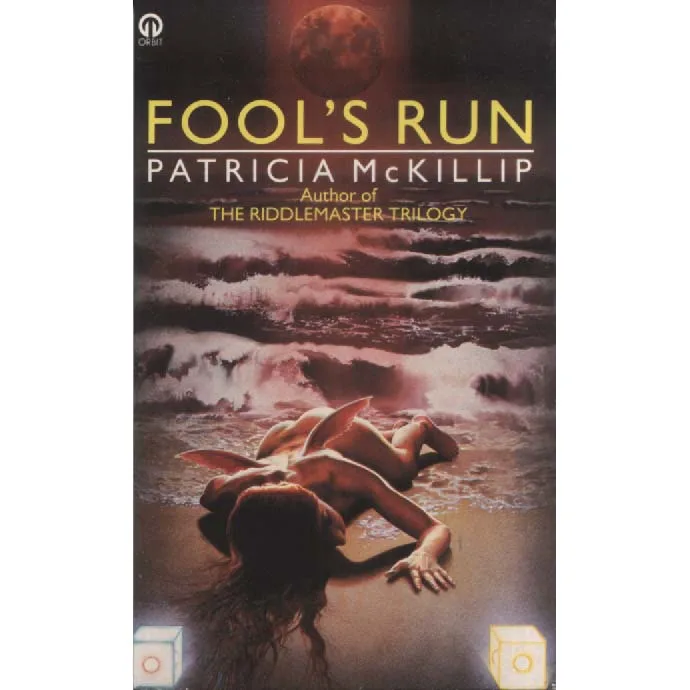
Publisher: Orbit
Format: Paperback
ISBN: 9780708882191
Most fantasy novels invite you to escape reality. Fool’s Run quietly asks whether reality was ever entirely trustworthy in the first place. Patricia McKillip, never one to follow the well-trodden fantasy path, leaves behind castles and dragons in favour of a haunting blend of science fiction, myth and psychological mystery that proves magic doesn’t necessarily disappear just because humanity has built spaceships.
At the heart of the novel is Terra Viridian, a gifted telepath imprisoned within the enigmatic institution known as Fool’s Run. Possessing extraordinary mental abilities makes her immensely valuable—and more than a little dangerous—to those who would prefer to control such talents rather than understand them. When escape becomes possible, Terra is drawn into a future where technology and the human mind collide in unexpected and deeply personal ways.
The irony is delicious. Humanity has developed astonishing scientific achievements, spread civilisation across the stars and mastered technologies beyond our wildest dreams, yet apparently the most complicated thing in the universe remains another human being. Supercomputers can process unimaginable quantities of data, but understanding emotions, memories and identity is still filed under "work in progress."
McKillip approaches science fiction much as she approached fantasy: with elegance rather than spectacle. Instead of dazzling readers with endless technical descriptions, she focuses on atmosphere, relationships and quiet moments that gradually reveal astonishing truths. The futuristic setting never overwhelms the characters; rather, it becomes the perfect backdrop for exploring loneliness, freedom, trust and the curious ways people search for belonging.
What makes Fool’s Run particularly memorable is its refusal to fit neatly into a single genre. There are elements of science fiction, psychological drama, mystery and even fairy tale woven together with McKillip’s unmistakable lyrical prose. She writes as though every sentence deserves to be beautiful, creating scenes that linger in the imagination long after the plot has moved on.
Readers expecting frantic action every few pages may find themselves pleasantly surprised by the novel’s quiet confidence. McKillip trusts her audience to appreciate subtlety. Questions matter more than explosions, conversations often carry greater weight than battles, and the greatest discoveries occur within the minds of the characters rather than on distant planets. It is thoughtful science fiction in the very best sense.
There is something wonderfully timeless about the book’s central themes. Although first published in the 1980s, its exploration of surveillance, personal freedom, artificial intelligence and the value of individuality feels remarkably contemporary. McKillip had a gift for looking beyond futuristic gadgets to ask enduring questions about what it actually means to remain human in an increasingly complicated world.
This Orbit edition captures a fascinating period when publishers were willing to let gifted authors blur the boundaries between genres. Fans expecting a conventional space adventure may be surprised to discover something far richer: a dreamlike novel where science and myth quietly shake hands without either feeling out of place.
This Good condition copy, offered by Crappy Old Books, has clearly travelled through a few readers’ imaginations but remains in perfectly respectable shape for another journey. It bears the honest signs of having been appreciated rather than forgotten, with pages still ready to transport a new reader into one of Patricia McKillip’s most unusual and rewarding novels. Thankfully, no telepaths have left messages in the margins, and the only thing likely to escape from these pages is your evening, which may disappear entirely once you’ve started reading.
Keep browsing: See more Science-Fiction books Other books by Patricia McKillip
